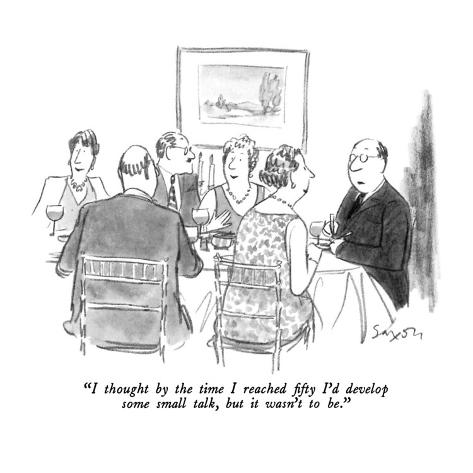
Most people think of pain as a purely physical experience. A hot stove burns my hand, my skin is hurt, my brain sends a pain signal, Ouch! This sensory feeling is but one source, one explanation of pain. The second explanation is the role of emotions in the experience of pain. Fear and example, for example, amplifies the pain signal. If we are worried about our pain, it hurts more. The more we worry the stronger the pain signal. The brain is a complex interaction between our physical selves and our emotional experience of what our body is feeling, especially where chronic pain is concerned.
To help us understand more about this, Nicola Twilley has written about the neuroscience of pain in New Yorker magazine, here.
Showing posts with label anxiety. Show all posts
Showing posts with label anxiety. Show all posts
June 29, 2018
April 2, 2018
Even on the Sidewalks of NYC
In broad daylight, a person can relax and meditate:

For more on-the-street photography, you can visit Brandon's website, Humans of New York.

For more on-the-street photography, you can visit Brandon's website, Humans of New York.

August 14, 2017
Taking Steps to Overcome Chronic Loneliness

There are many studies that look at loneliness and are finding it is increasingly common and associated with serious health problems. Although social media is designed to connect people (facebook, instagram, twitter, and the like) psychologists and researchers are finding more people are feeling disconnected and lonely than ever.
Cultivating friendships becomes so important as a way to combat loneliness. Dr. Randy Kamen makes numerous suggestions for making friends, here. I have written about strategies in previous posts, here.
I offer a few of the most often cited suggestions:
1. Choose a volunteer activity. One that helps a needy population or is helping solve a societal problem that concerns you will likely be most beneficial to you. Engaging in meaningful work, whether a paid job or volunteer work, can help ease feelings of loneliness and increase feelings of positive well being.
2. Explore support groups. Support groups are usually led by volunteers, typically someone who has benefited from several years of experience in the support group arena. One support group I often refer to is Recovery International (formerly Recovery, Inc.). This group helps it's members with skills to overcome anxiety, depression, and loneliness. You can email the contact person for the Austin, TX area, here. I talk in more detail about this support group in an earlier post, here.
3. Participate in group therapy. Here in Austin, TX we have The Austin Group Psychotherapy Society which provides a convenient website that lists many group therapy opportunities available in the Austin area. Click here to see the list and description of group therapy experiences available. For readers in other parts of the country, try contacting a licensed psychologist in your nearest city and ask for referrals to group therapy providers. Group therapy is lead by paid professionals. I strongly recommend a professional who is licensed with a mental health certification in your state (licensed psychologist, clinical social worker, marriage and family therapist, etc.)
People who feel lonely sometimes are people who have struggled with shyness for most of their lives. Many report feeling awkward in social interactions, feeling unable to converse in a way that helps them connect with others or in a way gains them reciprocal interest. Group therapy, support group participation, and other types of settings which promote conversation between people (MeetUps for example) is one avenue to observe and practice the art of talking to people in a way that garners friendships. Practice may not make perfect but it certainly can help shy and lonely people reach out more effectively.
Sandy Andrews, PhD Psychologist Specializing in CBT
South Austin, TX
February 29, 2016
Mind Your Happys
 Mindfulness is a big buzzword in cognitive behavior therapy - CBT - offices today. Paying attention and savoring the pleasant, happy moments of any given busy day can help us offset the negativity bias our brains have evolved to become. Negativity bias is simply the tendency we all have to remember the bad events (scary, sad, hurtful, angry) and ignore or forget the feel-goods and warm-fuzzy moments.
Think of how you're likely to share that unnerving traffic story where "that guy cut me off and almost caused a wreck!" But how you usually don't remember to also share the story where "that nice guy let me cut in front of him." Only remembering the unpleasant events is negativity bias in a nutshell.
We can help our brains become less negative minded by using self-directed neuroplasticity exercises: actively choosing to pay attention to and stay focused on positive events rather than let our auto-pilot selves skip over and forget them.
 Peeling an orange? Take a few seconds to smell the fresh orange peel and switch over to how good it feels. Even better, turn it into a deep breathing exercise. Take a really deep breath while you enjoy such a fresh, pleasant scent. . Take a whiff. Focus on the orange scent. Enjoy. Exhale. Repeat.
In her post, psychologist and self-identified mindfulness teacher, Kellie Edwards, suggests a Happy Jar as one example of helping ourselves remember and amplify daily pleasantries. Hers is an exercise that can help us ward off or treat symptoms of depression and anxiety disorders:
1. Find a transparent jar that is large enough to hold at least 7 notes from every person in your family.
2. Take some colored paper (several different colors) and cut it up into note sized pieces, or use sticky notes like we have.
3. Pick a time towards the end of each day - during dinner or just before bed, say - and take turns recalling something good that you noticed today.
4. Write it down and then share it with each other, taking at least 20-30 seconds to bask in the glow of the goodie. If your children are not writing yet, you can write it for them in their own words.
5. Place the colored pieces of paper in the jar. Leave it in full view to remind everyone to notice the good moments and to complete the ritual each night.
6. At the end of the week - perhaps when you have 5 minutes or so on the weekend — sit down as a family and pull each piece of paper out of the jar and read them aloud to recall all the warm fuzzies that have happened during the week.
7. Celebrate by doing something fun together as a family, even a family hug!
8. Keep your notes from each week together and anytime anyone needs some sprinkles of happiness to brighten their mood, they are right there at your fingertips.
October 20, 2015
Recovery International: A Cognitive Tools Support Group
 This a repost from two years ago. As a cognitive behavioral psychologist, I continue to believe in the potential effectiveness of this support group for people with anxiety, depression and other disorders.
 There's a little known but excellent support group resource available here in Austin, Texas and in hundreds of cities nationwide. Historically it was known by the name, Recovery, Inc. But more recently, thanks to its expanding influence, it now goes by Recovery International.
Recovery International was started many years ago by a physician, Dr. Abraham Low, who himself was working to recover from his own bout with depression. The name "Recovery" is misleading (which may explain the relative obscurity of the support group). Recovery is a term that most people, including myself, associate with substance abuse recovery. But Recovery International. is a self-help support group designed to assist people struggling with anxiety and depression. It can also help people with a variety of different psychological and emotional difficulties. For a list of the many struggles Recovery International can offer assistance with, click here. People who have alcohol and drug abuse issues can be helped, too, so long as their substance abuse is under control.
But the name isn't so important. What matters is the group's core focus: teaching and helping group members persistently use cognitive skills to reduce symptoms.
I've had a few patients attend these groups. I have been consistently impressed with the quality of the skills taught there. I often refer my clients to the group in the hopes they will use it as a place to practice the cognitive skills learned in my individual therapy sessions, learn new skills above and beyond what our sessions have covered, and gain social support. I also refer individuals who are not attending therapy but would like some free-of-charge group support.
Recovery International, in short, teaches people tools to help cope better with situations that provoke unpleasant feelings and emotions. They call these tools "Recovery Language."
One typical example: Many people experience significant anxiety walking into a support group for the very first time. Anxiety that, for so many, is anticipated ahead of time to such an extent that they fail to go to the group at all. Typical thoughts are, "I won't know anyone and I'll feel stupid." "I won't know what to say." "I'll be too nervous to talk and then I'll look ridiculous." "What if I walk into the room and everyone stares at me?"
The anxiety, fed by these negative, fear inducing thoughts, can mount until one feels overwhelmed and stays home, or stays in the car and drives away. Recovery language might encourage you to "spot" and replace these negative thoughts with more realistic and empowering ones, such as:
"These thoughts are distressing, not dangerous."
"It is perfectly average for someone to feel nervous when walking into a new group."
"I can do this. I am capable."
"I will move my muscles and start heading inside."
"Bear the discomfort and comfort will come."
I've had a few patients attend only one meeting. Their complaint was that they didn't quite "get it." As I understand the group format, members use Recovery Language and new people feel a bit lost and confused. My advice to patients is this: Plan to attend at least three groups. See if some of the initial confusion, which again is average (a recovery term) lessens over time. See if you don't start to feel a little more comfortable. Find out how you can learn the Recovery Language for yourself. You will likely be encouraged to buy a book but it isn't essential.
So take the first step. Move your muscles to use the following link to find the support group closest to you. Two groups per week are currently offered in the Austin area: South Austin on Thursday evenings at 6:30pm and Northwest Austin on Wednesday nights, 7:30pm. But I advise you to double check before heading their way.
Sandy Andrews, PhD is a Clinical Psychologist / Therapist who provides CBT in Austin, Texas
July 31, 2015
Social Anxiety and Alcohol Abuse

I just listened to NPR's Fresh Air interview with Sarah Hepola, author of the memoir titled, Blackout: Remembering the Things I Drank to Forget. If you drink to be a more bold, brash, funnier, or sexier you, in other words, to quell social anxiety, then this could be a listen that helps you swerve off of the road to addiction (or a read that helps, but I haven't read the book yet so I can't recommend it). Important fact: Blackout refers to memory lapses due to excessive drinking. It does not mean passed out or unconscious. If your friend tells you how funny you were last night but you don't remember? You might have experienced a blackout. Unhealthy, yes. Dangerous? Could be.
Click here to listen to Fresh Air's Terry Gross interview the author.
--Sandy Andrews, PhD
Clinical Psychologist
Austin, TX
January 12, 2015
Ready, Set, Sleep!

I may stand corrected. Which would make me and a lot of clients happy. And sleepy. As a cognitive behavioral psychologist (CBT) I typically teach a 6-4-8 breathing exercise as a stress relief technique and as a sleep aid,. This involves a 6-second inhale, 4-second hold, and 8-second exhale (or 8-4-10, depending on the individual's starting point).
But in this post by Alina Gonzalez entitled, How I Learned To Fall Asleep In Under 1 Minute, she advocates using Dr. Andrew Weil's breathing technique which she calls the "4-7-8 Trick." You can go to Dr. Weil's website to see him demonstrate, here.
So I plan to take the 4-7-8 versus 6-4-8 breathing challenge. And I invite readers to do the same. Leave me a comment and let me know which breathing exercise calmed, relaxed, and helped you get to sleep the most quickly.
Ready, Set, Sleep!

And a big shout out to my sister for
bringing my attention to the article Under 1 Minute blog post.
--Sandy Andrews, Ph.D.
Cognitive Behavioral Psychologist
Austin, Texas
March 25, 2014

January 23, 2014
This Weekend: Clutter Bust or Bust
Need an incentive to de-clutter this weekend? Look no further than the 8th Annual Clear Your Clutter Day presented by the Austin chapter of the National Association of Professional Organizers. Bring your cherished keepsake items junk and leave with some extra peace of mind.

July 24, 2013
Meditating with Visual Aids

Think about changing the channel that' plays mindlessly in your head. Change your thoughts away from the thousands of stress inducing thoughts that permeate your thinking toward calm, pleasant, physically soothing thoughts and you can take your body toward a more physically healthy space.
One way to do this is with visual aids. In this case, pictures of highly pleasurable scenes.
Take a look at the pictures posted on Bored Panda, below. Take time to really let the images sink in. Enhance the experience by taking long, slow inhales followed by long, full exhales, while you will your body to relax with each exhale, while simultaneously enjoying the pictures.
22 Unbelievable Places that are Hard to Believe Really Exist
Let your mind luxuriate in the sensations you might feel if you were actually present in the picture. Imagine the sounds you might hear, the smells. What might you see in the scene if the picture were expanded to include what is behind you?
Pictures of beauty found in the nature are highly inspirational to me. They help me refresh and appreciate the world around me. Others find works created by visual artists inspiring: paintings, collage, sculpture.
What inspires you? What kinds of images do you find pleasurable, refreshing, or relaxing?
July 3, 2013
Exercise for Relief from Anxiety - How Does it Work?

Gretchen Reynolds writes for the New York Times blog about the positive effect of exercise on anxiety. She summarizes the work of Schoenfeld et. al whose studies* with mice suggest that regular exercise leads to an increase in healthy, calming neurons (GABA) in a part of the brain that helps us process emotions (hippocampus). More evidence that behavior therapy ( CBT ) tools, such as jogging, taking brisk walks, or working the treadmill, are an effective way to increase feelings of calm in both the long and short term.
You can read Reynolds NY Times article, here.
*Schoenfeld TJ, Rada P, Pieruzzini PR, Hsueh B, Gould E. (2013) J Neurosci. 2013 May 1;33(18):7770-7. doi: 10.1523/JNEUROSCI.5352-12.2013.Physical exercise prevents stress-induced activation of granule neurons and enhances local inhibitory mechanisms in the dentate gyrus.
-Sandy Andrews, Ph.D.
CBT Cognitive Behavioral Psychologist
Austin, Texas
November 6, 2012
Experimenting with Different Breathing Styles
 |
| Heart Says Breathe by Laurie Maves |
There are a variety of ways to alter one's breathing therapeutically. In an earlier post, I described what is often called lower abdominal breathing (LAB). Many people report success lowering anxiety, stress and anger, for example, using LAB. Click HERE to review my previous post.
Here, I will post a link to an article where Deborah Rozman talks about a different approach called Heart-Focused Breathing. Different in that the mental focus on one's heart is suggested rather than strictly on the mechanics of the breath. Shifting one's focus toward gratitude or a scene that has positive associations is also part of Heart-Focused Breathing. Click HERE to read Rozman's full post.
So often in therapy my message is this: Don't give up. Experiment with different styles of breath work. Finding the style that assists in calming your body and quieting your mind is what we're after ... not sticking to any particular, recommended type.
Painting, Heart Says Breathe by Laurie Maves and can be viewed HERE.
July 3, 2012
Coping with Social Anxiety

Introducing oneself, starting up a conversation, keeping small talk going, indeed, merely showing up, any or all of these scenarios evoke considerable anxiety for socially anxious people.
Cognitive therapy explores negative thought patterns that increase anxiety and lead one to shy away from talking to someone new or starting a conversation with an acquaintance.
A very typical dysfunctional thought pattern or cognitive distortion that plagues people with social anxiety is mind reading: assuming we know what the other person is thinking and, more important, assuming those thoughts are negative; that they are negatively judging us.
At least two broad options are encouraged as a counter to mind reading. The first is to decide to stop mind reading -- to instead tell ourselves that mind reading is futile, probably inaccurate, that we are unlikely to ever get the real truth. In other words, our assumptions about the other person's thoughts will never be truly verified. Because of this, it is an act of folly to mind read and base our own behavior on those assumptions.
How do we stop? Distract ourselves with another subject altogether. The weather. The food selection. Reciting the alphabet backwards. The baseball game you're looking forward to watching. Whatever comes to mind that lets you think of something besides mind reading.
The second option we have is to replace negative mind reading with something more positive and probably more accurate. Assume that the other person is interested in getting to know us, is also feeling anxious about starting a new conversation, and would welcome our small talk. We are, as a rule, social beings who want to get to know people. Somebody needs to break the ice and it might as well be me.

So that backyard barbeque you've been dreading? Go. But first? Take a few deep breaths followed by long exhales. Loosen up those smile muscles. Brush up on some small talk pointers. Decide to introduce yourself to at least one new person. Choose someone who is standing alone or otherwise not engaged in conversation. Hi, I'm Susan usually works great. Followed by, I know Dave and Karen (the hosts) through work. How about you?
If they don't help the conversation along, decide to give it a try. It doesn't hurt to practice in your head before you go or before you approach a particular person. (Cognitive behaviorists call this covert rehearsal.)
Ask how long they've known the host. Comment on the weather. Or the food. The rule of thumb with small talk is this: Start with the general and move on to more personal topics but only if the person seems interested.
Second rule? Ask them a general question about something you have in common. What do you have in common with this stranger at a barbeque, you ask? Well for one, you are both at the same barbeque. You were both invited by the same host. You are both standing in the heat, or under the shade tree, or inside the air conditioning, or in line at the bathroom. You are both listening to the same music, can see the same television, are surrounded by the same paintings on the wall. Move from the general (even boring) to the more personal once you see the person is willing to converse.
Examples of starters:
How long have you known _______ (the host)?
It looks like you're drinking the iced tea. Is it sweetened?
Do your kids go to school together?
Have you lived in this neighborhood long?
What kind of dressing was on that salad? Did you taste it?
If you are not getting much of a response after one or two starters, allow silence. Maybe that will prompt them to say something. If not? Wait a little longer and then excuse yourself with a smile, I'm going to get something to eat now. Nice to meet you. And away you go.
Even if the attempt didn't go very far you can pat yourself on the back for trying. For getting in some practice. For concluding it wasn't all that bad. And maybe deciding to give it another try. The next person is bound to be more social.
June 8, 2012
Fear of Flying? Driving? Read Here from the Comfort of Your Chair

Desensitization Training and Exposure Therapy are two such techniques.
Watered down versions of these two treatment methods are often used in some form or fashion when treating more diffuse or generalized forms of anxiety disorders, such as social anxiety. The essential mechanisms are the same: learn relaxation skills and then pair with the feared event or object.
I am going to play lazy today and give you a link to Michael Murrell, Psy.D.'s blog post (click here) where he describes Desensitization for Anxiety. So please check our Dr. Murrell's post if you are looking for help with a specific phobia. It's important to be guided through the correct procedures by a trained professional in order to find treatment success. Reviewing these techniques and then asking the psychologist you are interviewing whether she or he uses them to treat phobias is a great way to insure you find the proper treatment for your fears.
The core of desensitization involves first pairing, and then replacing, feelings of anxiety with feelings of calm. Learning to relax is a necessary first step toward applying desensitization. Deep breathing is one type of relaxation exercise often recommended. You can check out my previous post which describes a particularly effective form of deep breathing that I most frequently suggest, here.
Additional resources:
Some good advice here that applies to driving phobia.

Anyone who has seen me for any length of time
will agree I should hang this cartoon on my wall
(thank you, Natalie Dee).
Subscribe to:
Posts (Atom)
Book Recommendations For Adults Who were Raised in Alcoholic Homes
Welcome to the new year, 2026. Whether you are in the midst of a dry january or long time sober, if you were raised by someone who was a s...

-
Welcome to the new year, 2026. Whether you are in the midst of a dry january or long time sober, if you were raised by someone who was a s...
-
Cognitive Therapy: In with the good, out with the bad. Thoughts are just thoughts. Fears are your imagination gone astray. So imagine you...
-
 In honor of the first day of the fall season, I am re-posting my Pleasant Events List. Those of you who read the previous post will be glad...